Best Lakeside Campsites and Boating Spots in Texas Parks
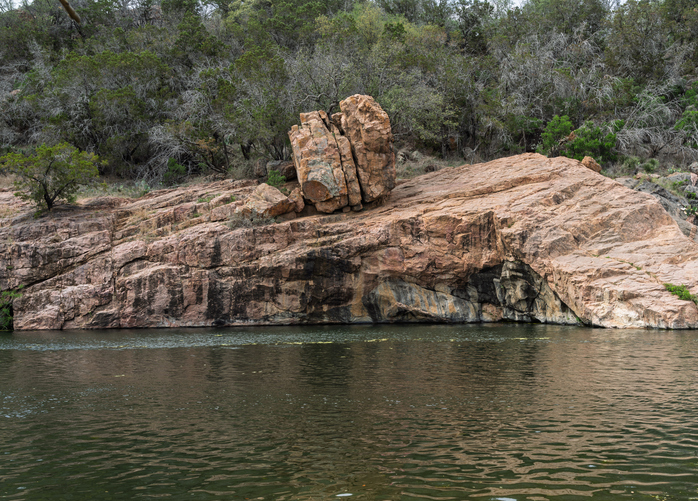
Texas offers exceptional lakeside camping options for families and fishing enthusiasts alike. You'll find full-service amenities at Inks Lake State Park and Lake Livingston State Park, while serious anglers should head to Lake Fork or Toledo Bend. Most campgrounds offer various site types typically in the low-to-mid $20s per night, and many parks require two-night minimum stays on weekends, especially for popular dates.
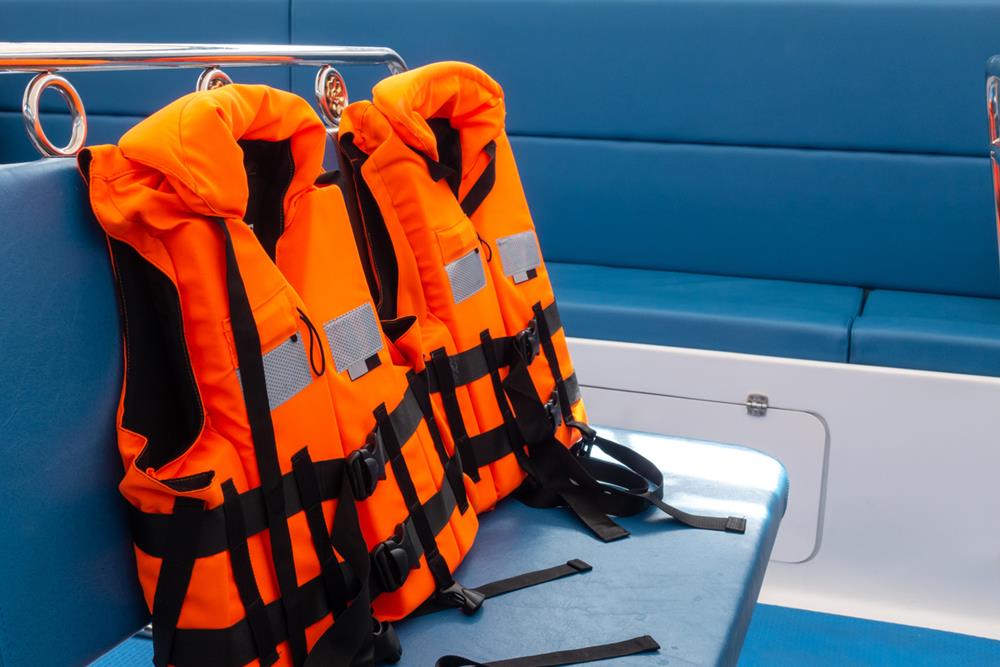
Pack weather-appropriate gear, including waterproof tents and life jackets for water activities. Fall provides the perfect balance of pleasant temperatures and reduced insects for your perfect lake adventure.
Top Family-Friendly Lakeside Campsites in Texas
When planning a lakeside getaway with kids in Texas, finding the right campsite can make all the difference between a memorable adventure and a stressful ordeal. South Llano River State Park offers gentle water sport activities like swimming and tubing along 2 miles of spring-fed river, with affordable tube rentals for the whole family.
At Inks Lake State Park, you'll enjoy stable water levels year-round with no-wake zones perfect for novice paddlers. Lake Livingston State Park provides beach-like swim areas ideal for young children, while Camp Tahuaya combines modern comforts with nature education opportunities through organized programs.
For luxury camping, El Campo Lost Lagoon features a massive 700,000-gallon pool with kid-friendly zones, giving you options that balance adventure with the practical needs of family travel. Families will also appreciate Ratcliff Lake Recreation Area with its 45-acre lake for fishing and boating, plus a beach area perfect for children to swim safely.
Premium Fishing and Boating Lakes Across the Lone Star State
Texas boasts some of the nation's most impressive fishing destinations, with several lakes that consistently rank among America's top trophy bass waters. Lake Fork stands supreme, holding the state record largemouth bass at 18.18 pounds, while Toledo Bend offers year-round fishing opportunities along the Louisiana border.
You'll find exceptional trophy bass populations at O.H. Ivie and Falcon Lake, both recognized in national rankings. O.H. Ivie recently produced a more than 12-pound largemouth bass caught by Lea Anne Powell, establishing an IGFA women's 6-pound line-class world record in 2023.
For urban anglers, Lake Lewisville lives up to its "Urban Bass Fishing Capital of Texas" nickname with catches exceeding 10 pounds.
Multi-species enthusiasts should explore Lake Texoma, home to the state's record 121.5-pound blue catfish. Tournament anglers regularly flock to Choke Canyon and Sam Rayburn, where five-fish limits frequently exceed 15 pounds, proving Texas lakes deliver consistent quality across the state.
Finding the Perfect Campsite: From Full Hookups to Primitive Options
Once you've experienced the thrill of reeling in a trophy bass, you'll need a comfortable place to rest and plan your next day on the water. Texas parks offer diverse camping options to match your comfort needs and electrical requirements.
Full hookup sites (often around $20–$30 nightly, depending on park and season) provide water, electric (30/50 amp), and sewer connections ideal for extended stays.
When making site reservations, remember:
- Weekend bookings often require minimum two-night stays, especially at popular parks like Lake Livingston.
- Most sites accommodate 6-8 people with limitations on tent numbers.
- Additional vehicle fees apply beyond the standard two-vehicle allowance.
If you're seeking a more rustic experience, primitive sites near lakeshores offer fewer amenities but greater immersion in nature. Many parks feature separate loops for RVs and tent camping, with premium waterfront locations available on a first-come basis.
Essential Gear and Preparations for Texas Lake Adventures
Preparing for a successful lakeside adventure in Texas parks requires thoughtful planning and the right equipment. Your ideal packing checklist should prioritize shelter essentials: a waterproof tent with rainfly, temperature-appropriate sleeping bags, and insulating pads.
Don't overlook campers' safety precautions—pack headlamps, a multi-tool, and fire extinguishing means. For lakeside meals, bring a portable stove, cooking utensils, and proper cleanup supplies to leave no trace.
Water activities demand U.S. Coast Guard–approved life jackets for everyone, waterproof storage, and a first aid kit for minor injuries. A reliable navigation tool like a GPS or map will help you locate remote campsites and find your way back to base. Complete your preparation with sun protection, insect repellent, and layered clothing for Texas' variable weather. Consider portable chairs for comfort and field guides to enhance your nature experience.
Seasonal Considerations for Texas Lakeside Camping
Choosing the right season for your lakeside adventure dramatically impacts your Texas camping experience, with each time of year offering distinct advantages and challenges. Seasonal weather variations range from scorching summer days exceeding 95°F to winter temperatures dipping near 30°F in northern regions. Fluctuating water levels also affect your plans, with late summer bringing exposed hazards as lakes recede.
For ideal lakeside camping experiences:
- Spring (March–May) – Enjoy moderate temperatures and refilled lakes, but prepare for rain showers and increased mosquito activity after rainfall. Many campers flock to Hill Country parks like Inks Lake State Park to witness spectacular wildflower displays that blanket the landscape.
- Fall (September–November) – Experience pleasant 60–80°F temperatures, reduced insects, and beautiful foliage, though you'll need reservations at popular spots like Ray Roberts Lake State Park.
- Winter (December–February) – Take advantage of discounted rates and fewer crowds, but pack warm layers for sudden cold fronts.
Wildlife and Natural Features at Texas' Top Lake Destinations
Texas lakes offer far more than just recreational opportunities, serving as vibrant ecosystems teeming with diverse wildlife and stunning natural features.
While camping, you'll spot some of Texas's many native mammal species, from curious raccoons to elusive bobcats. Birdwatchers will delight in sighting American white pelicans with their impressive wingspans that can reach around 9 feet.
Anglers can pursue largemouth bass, catfish, and the prehistoric alligator gar reaching over 300 pounds in some waters. Texas is also home to an impressive population of 400,000–500,000 American alligators, primarily in coastal marshes, swamps, and bayou areas that connect to many lake systems in East and Southeast Texas.
Don't overlook the remarkable plant diversity—remnants of the endangered Blackland Prairie showcase native grasses and wildflowers essential for endemic species protection. Native oaks, pecans, and cottonwoods provide vital habitat for countless creatures.
Native habitat conservation efforts across state parks and national forests protect these irreplaceable ecosystems, ensuring future generations can experience Texas' natural lakeside wonders.