
How Steamboats Worked: Boilers, Paddlewheels, and Why Shallow Drafts Mattered
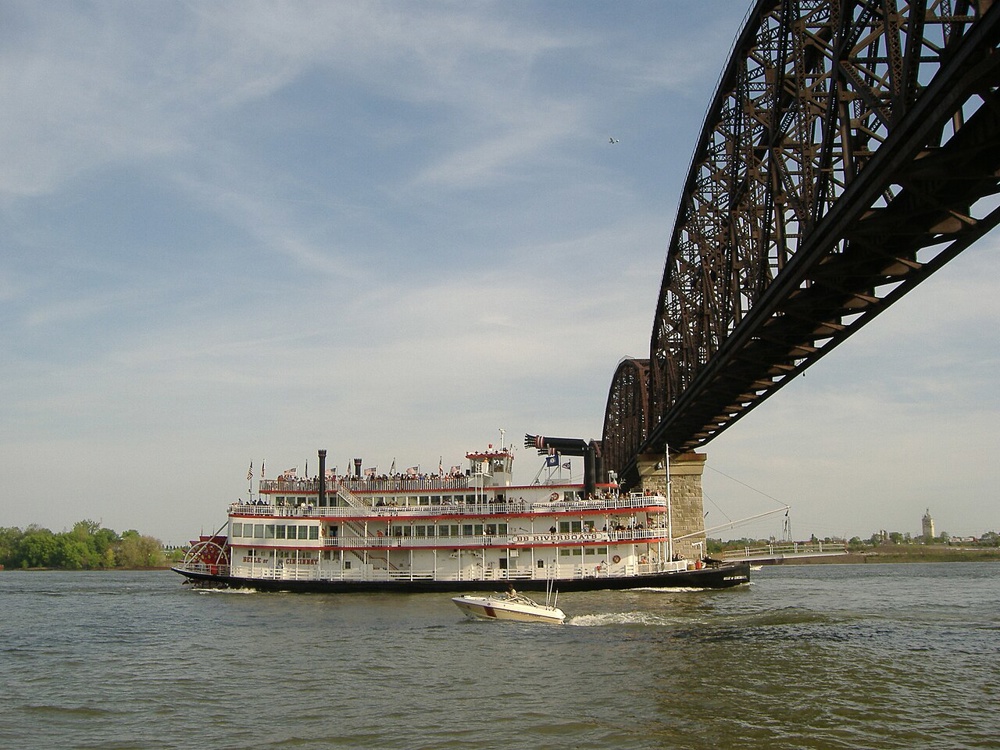
Steamboats weren’t just “boats with steam engines.” They were a custom-built answer to a specific American problem: how do you move people and cargo through thousands of miles of rivers that are shallow, seasonal, and constantly changing? Ocean ships were too deep, too heavy, and too dependent on predictable channels. Wagons were slow and expensive. Flatboats could drift downstream, but getting back upstream was a grind.
Steamboats solved that—because they were designed around one obsession: staying afloat in very little water while still carrying meaningful weight. Everything else—boilers, engines, paddlewheels, even the boat’s shape—was built to serve that goal.
How Steamboat Boilers Generated High-Pressure Steam
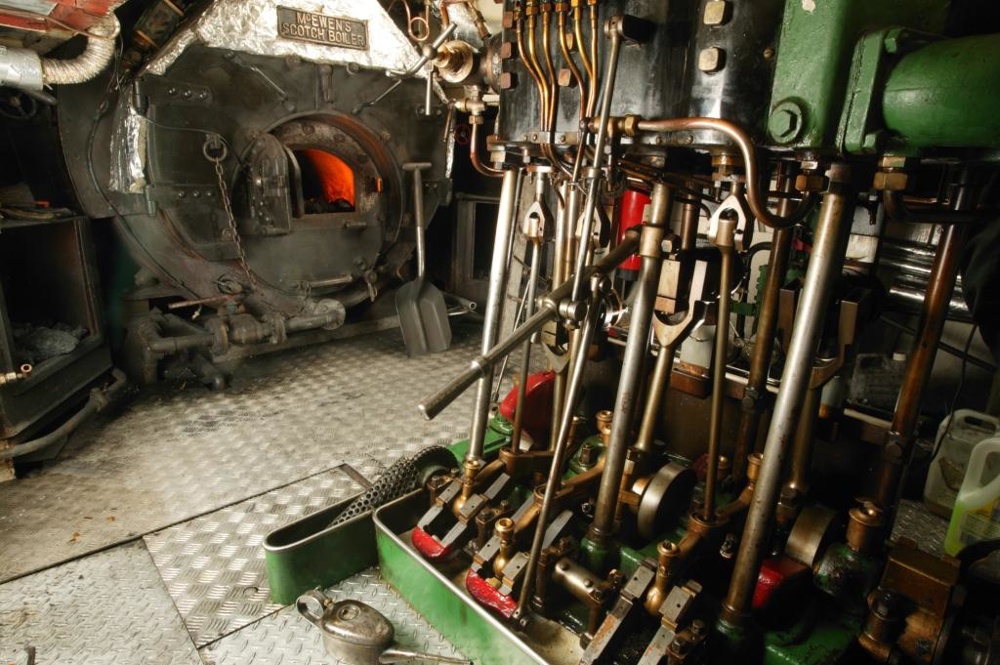
Although steamboat boilers operated on simple principles, they represented a remarkable engineering achievement for their era. You'd find these systems heating water in large metal chambers using wood or coal furnaces positioned beneath. As water reached boiling point, steam accumulated above, building pressure that could power massive paddlewheels.
Steam pressure regulation became critical—engineers monitored gauges constantly and adjusted dampers controlling airflow to the firebox. Boiler safety considerations dominated operations, as explosions killed hundreds throughout the steamboat era.
Safety valves released excess pressure automatically, while inspections checked for weakened metal, scale buildup, and proper water levels. Operators performed periodic blowdown to remove dissolved solids that accumulated in the water and could compromise the boiler's integrity. Despite precautions, these early vessels carried inherent risks.
How Pistons Converted Steam Pressure Into Motion
Once pressurized steam left the boiler, it flowed into cylinders where cast iron pistons converted its energy into mechanical motion. The cylindrical piston created a close-fitting seal inside the chamber, with fine-grade cast iron rings preventing steam leakage between the piston and cylinder walls.
These plain snap-type rings maintained persistent contact through inherent tension, though their effectiveness depended on precise cylinder bore surface finishing. Pressure differential between the cylinder's top and bottom drove the piston's reciprocating movement. The piston rod connected to a crosshead, which guided the main rod to the crankshaft, translating linear motion into rotation.
The piston rod required sealing where it passed through the cylinder wall, accomplished with metallic packing in a stuffing box. This prevented steam from escaping around the moving rod. Synchronized piston valves controlled steam admission timing, while piston lubrication techniques reduced friction throughout this continuous cycle of intake, expansion, and exhaust.
How Crankshafts Transformed Piston Strokes Into Rotation
At the heart of every steamboat engine, the crankshaft tackled a fundamental mechanical challenge: transforming the piston's back-and-forth movement into the continuous rotation needed to turn paddle wheels. This slider-crank mechanism connected the piston to a rotating crank through a connecting rod, creating the mechanical linkage that powered your vessel forward. The crankshaft's critical components included:
- Bearing journals that rotated within precision-ground surfaces in the engine frame
- Crankpin journal lubrication systems to reduce friction and prevent wear
- Crankshaft counterweight design for balancing reciprocating forces
- Connecting rods linking the piston to the crankpin
- Counterweights cast integrally into the shaft
Manufacturers typically forged these crankshafts from ductile iron. Ensuring they'd withstand the tremendous forces generated during high-pressure operation while maintaining reliability throughout long river voyages. The crankshaft received its rotational motion from the piston movement that was driven by steam pressure in the cylinder.
Sidewheels vs. Sternwheels: How Placement Affected Power
Steamboat designers faced a critical decision that would determine their vessel's capabilities: where to mount the paddlewheels. Sidewheelers placed one wheel amidships on each side, requiring wider hulls with sponsons that limited navigation through narrow channels.
Their centrally-located engine rooms created obstacles for passenger and freight movement. Sternwheelers mounted a single wheel at the rear, eliminating mid-ship barriers and streamlining operations. The economic differences were substantial. Sidewheelers required two paddlewheels, doubling construction expenses and maintenance costs.
You'd need two crew members managing the wheels versus one for sternwheelers, directly impacting crew staffing needs. Exposed sidewheel paddles suffered frequent damage from debris, while sternwheel designs enjoyed hull protection. The lighter draft of sternwheelers allowed them to carry more payload capacity, further enhancing their economic advantage.
How Paddle Blades Pushed Water to Propel Steamboats
The paddlewheel's power came from a deceptively simple concept: push water backward, and the boat moves forward. The scoop-shaped blades captured water during rotation, creating directional thrust when submerged at the wheel's lowest point.
However, this seemingly straightforward mechanism faced significant challenges:
- Only the bottom quarter of rotation provided effective propulsion force
- Paddles wasted energy lifting water upward or pushing it downward during most cycles
- Water current impact on propulsion varied dramatically in rivers versus still water
- Churning motion at entry and exit points reduced overall efficiency
- Paddle wheel buoyancy concerns emerged when vessel draft changed from cargo loading
Advanced feathering mechanisms used levers and linkages to maintain vertical blade angles underwater, extending the effective propulsion phase and improving power transmission throughout rotation. The paddle wheeler design allowed these riverboats to showcase distinctive visual features while maintaining functional propulsion systems.
Stir up your curiosity with more surprising facts about Steamboats!
Compound Engines: Extracting Maximum Power From Steam
While paddlewheels determined how efficiently a steamboat moved through water, the engine that powered them controlled how much fuel the journey would consume. Compound engines represented crucial engine design improvements that transformed steamboat economics after 1865.
Instead of expanding steam in one cylinder, you'd find it passing through two or more progressively larger cylinders, extracting work at each stage. High-pressure steam entered the smallest cylinder first, then exhausted into larger low-pressure cylinders.
This arrangement reduced cylinder condensation losses and required less robust construction since only the initial cylinder withstood peak boiler pressure. By 1885, compound engines became standard marine propulsion, enabling vessels like SS Agamemnon to travel 8,500 miles before refueling. Further refinements led to triple and quadruple expansion engines that pushed efficiency even higher in late 19th century applications.
Why Screw Propellers Eventually Replaced Paddle Wheels?
By 1845, naval engineers recognized that screw propellers solved steamboat problems paddlewheels couldn't overcome. When HMS Rattler towed the paddle-powered HMS Alecto backwards at 2.5 knots during their famous tug-of-war test, the verdict became undeniable.
In 1849, the Niger versus Basilisk trials confirmed what Rattler proved: propeller technology represented maritime propulsion's future. The Royal Navy's commitment to screw propulsion was evident when screw frigates became their primary weapon during the Crimean War. The structural advantages of propeller design transformed naval engineering:
- Protected below the waterline, propellers survived combat and storms that smashed exposed paddlewheels
- Weight reductions reached hundreds of pounds, improving stability and cargo capacity
- Propeller fuel efficiency advantages decreased operational costs significantly
- Superior maneuverability enhanced tactical capabilities
- Machinery didn't obstruct deck space or sailing capabilities
Why Steamboat Shallow Drafts Dominated River Navigation?
Propeller technology conquered ocean shipping, but river commerce required different solutions altogether. You'd find shallow-draft steamboats drawing just 9–12 inches navigating the Missouri River into Montana and threading through tributary creeks inaccessible to deeper vessels.
North America's Mississippi-Ohio-Missouri system provided virtually ideal conditions for these designs. Versatile landings proved revolutionary—steamboats could dock at graded levees or pull alongside plantations using stage planks. Setting poles freed vessels from sandbars during low-water seasons.
Draft measurement from the waterline to deepest point determined which channels and tributaries remained navigable during seasonal variations. Economic advantages were substantial: steamboats offered quicker transport than sailing ships while accessing interior settlements that railroads couldn't economically serve.
How Modern Steamboat Replicas Preserve Original Technology
Because original steamboat blueprints rarely survived into the modern era, builders of authentic replicas face extraordinary challenges reconstructing these vessels. You'll find they spend years researching state archives and institutional collections to piece together fragmented historical data. Modern replica builders maintain material authentication through strategic substitution. It uses synthetic alternatives for high-maintenance components like hemp rigging while preserving visible wooden elements and metal fittings.
They ensure structural integrity by dividing vessels into historical and modern zones:
- Upper decks replicate original specifications with traditional planking techniques
- Lower holds conceal contemporary engines and safety systems
- Custom workshops produce period-appropriate components
- Manual heating processes shape 12-meter boards within 15-minute installation windows
- Museum-scale models verify design accuracy before full-scale construction
This compartmentalized approach balances authenticity with operational demands. Project financing typically combines corporate sponsors and charities with individual contributions to supply necessary materials and funding throughout the multi-year construction process.
Conclusion
Steamboats weren’t just “boats with steam.” They were engineered for shallow, unpredictable rivers: boilers and pistons made power, paddlewheels turned it into motion, and shallow-draft hulls made the whole system usable where deeper ships couldn’t go.
That’s why they mattered. By fitting the landscape, not fighting it, steamboats turned rivers into highways, connected towns to markets, and proved a core rule of innovation: the most impactful technology is often the one designed for real-world conditions.