Pop Culture of the Steamboat Era: the Songs, Slang, and Scandals People Couldn’t Stop Talking About
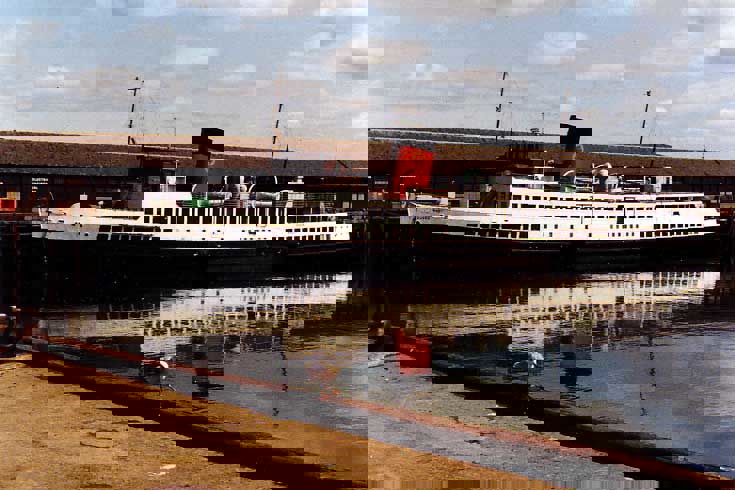
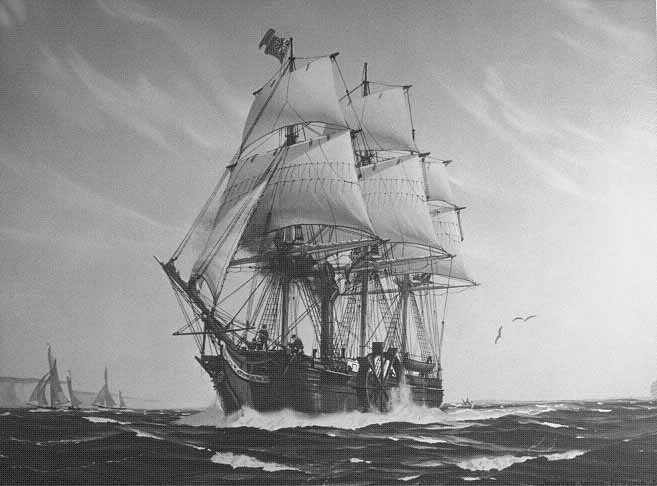
Steamboats weren’t just transportation. In the 19th century, they were a whole platform—part luxury hotel, part concert venue, part casino, part sports arena, and part breaking-news generator. A steamboat arriving in town didn’t simply deliver cargo. It delivered spectacle: sound, fashion, gossip, danger, and stories that traveled faster than the river itself.
That’s why “steamboat culture” seeped into everything. The boats created their own slang, their own celebrity class (captains and pilots), their own entertainment industry (showboats and dance decks), and their own darker ecosystem of hustlers and high-stakes games. They even produced the kind of headlines that glued the nation together—races, scandals, explosions, and lawsuits that people argued about the way we argue about sports and celebrities now.
Check out MrPopCulture.com and learn more about pop culture trends in Steamboats during this era.
Why Steamboats Dominated 19th Century Popular Culture
When steamboat arrivals in New Orleans exploded from roughly 20 in 1814 to 1,200 within two decades, Americans couldn't help but take notice. You witnessed the economic transformation of riverine communities as sleepy river towns became bustling commercial centers.
This technological marvel enabled two-way traffic for the first time, connecting agricultural regions with industrial centers and bringing European luxuries to interior markets. Steamboats didn't just move goods—they defined social status and luxury aboard steamboats for travelers willing to pay premium fares.
Racing competitions captured public imagination, with P.T. Barnum orchestrating races to promote Jenny Lind's appearances. The spectacle was irresistible: crews burning furniture to fuel boilers, telegraph-based betting between cities, and catastrophic explosions that sparked outrage. Winners proudly displayed large, gilded deer antlers as racing trophies that symbolized their victory. This was America's first "world-shaking" invention, and everyone wanted to experience it.
Steamboat Songs That Defined the Riverboat Era
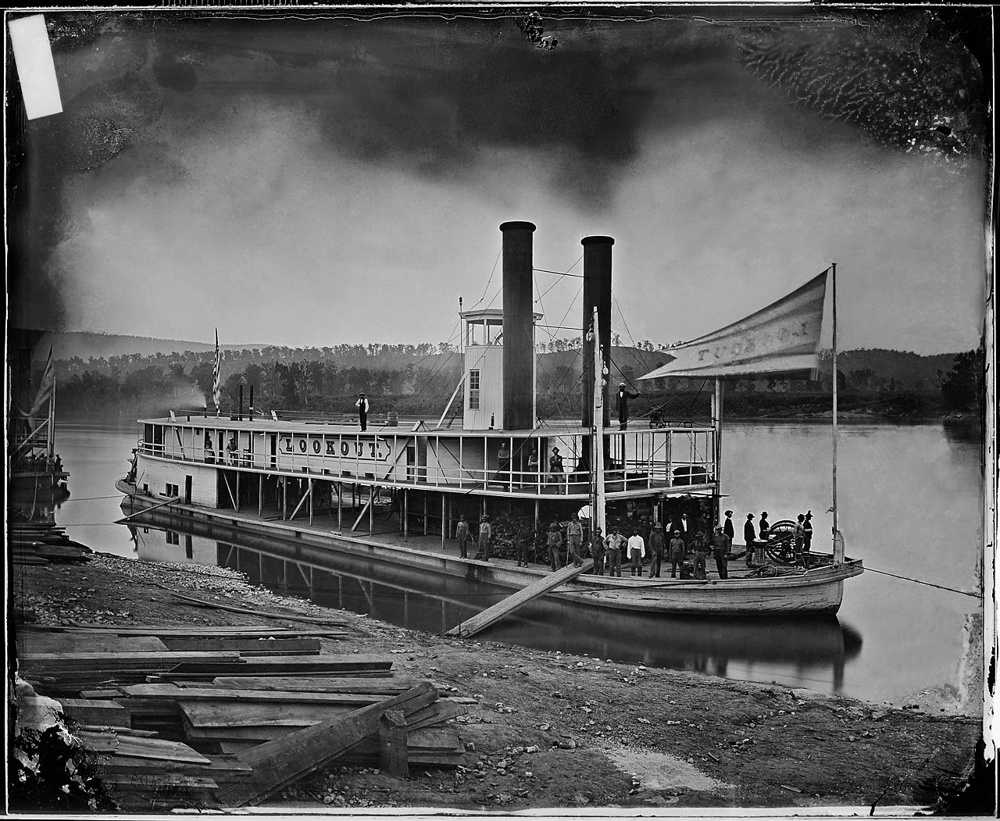
The rhythmic thud of cotton bales rolling across gangway planks created its own music along the Mississippi. You'd hear roustabouts coordinating 500-pound loads with songs like "Roll the Cotton Down," their synchronized movements generating the melody's cadence. These rhythmic patterns of cotton loading songs synchronized shuffling feet and swaying shoulders as three-man teams worked together.
The crossover between minstrel and steamboat music transformed entertainment aboard riverboats. Deep-sea sailors adapted "Coal-Black Rose" and "Fire Down Below" from professional minstrel compositions, preserving opening verses while varying others. This reciprocal relationship meant some traditional roustabout songs became minstrel performances.
Dance floors on Streckfus Steamers featured musicians like Fate Marable, who played everything from patriotic numbers to hot jazz. You'd find passengers dancing to waltzes, ragtime, and contemporary arrangements that defined each era. The piano player doubled as calliope performer in the early evenings, filling the air with the distinctive sound of the steam-powered instrument.
The Colorful Slang of Steamboat Captains and Crews
Every intense subculture develops its own vocabulary. On steamboats, language wasn’t a vibe—it was survival. River navigation required precision, and crews developed a system of calls and terms to communicate quickly in dangerous, shifting channels.
One of the most iconic examples is the practice of “calling for the lead.” A leadman would measure depth with a weighted line and shout soundings—while others echoed the information so it traveled through the vessel. It was a verbal choreography built for speed and clarity. Command language (“hard alee” and other directional calls) created a rhythm that passengers would hear as part of the boat’s mystique.
When illness struck, crew members found themselves on the binnacle list, the ship's sick roster kept near the compass housing. Captain Jay Knapp bragged about "packing 'em in" when carrying 285 passengers, while riverlorian storytelling traditions emerged through regular Navigation Dissertations, where captains entertained passengers with river tales from the pilothouse.
Floating Palaces: Fashion and Status on Steamboat Decks
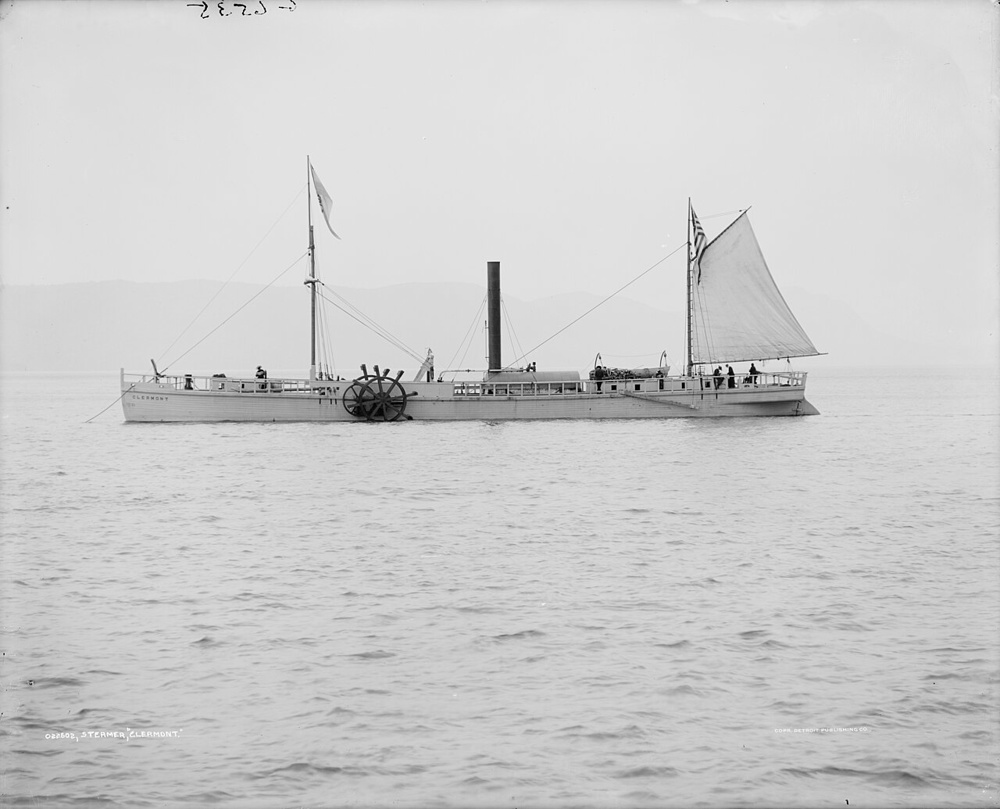
As steamboats evolved from functional transport into floating showcases of wealth, passengers transformed the decks into stages for displaying social status through elaborate fashion. You'd witness stark contrasts between upper and lower decks—first-class travelers donned refined evening wear while immigrants wore practical clothing.
Cabin passengers' fashion rituals dominated grand ballrooms where women displayed floor-length gowns with hourglass silhouettes, off-shoulder necklines, and balloon sleeves. Men wore frock coats, ruffled dress shirts with cravats, and embroidered waistcoats. After 1851, synthetic dyes and sewing machines democratized fashionable attire somewhat, though spatial segregation reinforced class divisions.
Even steamboat crews' onboard attire reflected hierarchy. Whalebone hoops and elaborate lace embellishments distinguished luxury passengers, creating visible markers of economic distinction that defined the river romance aesthetic. Women's corsets, brass goggles, and brass accessories became trademark elements that signified refinement and technological fascination among the era's fashion-conscious elite.
High-Stakes Poker and Steamboat Gambling Culture
Beyond fashion displays and social posturing, steamboat passengers indulged in another compelling pastime: high-stakes poker. You'd witness games running continuously from departure to landing, with multiple tables operating simultaneously—saloon games, private groups, and even crew matches during off-duty hours.
By the 1830s, at least 1,500 professional gamblers worked America's rivers, targeting wealthy merchants and plantation owners boarding at every stop. This riverboat gambling culture transformed poker from aristocratic leisure into democratic entertainment, though it attracted cunning sharpers armed with loaded dice and extra aces. Disputes frequently escalated into violence.
The game itself evolved: draw poker replaced the original 20-card version by 1850, demanding greater skill and strategy. Legendary figures like George Devol and Doc Holliday built their reputations at these floating card tables, becoming icons of the gambling underworld.
Epic Steamboat Races That Stopped River Towns
While poker games captivated passengers inside steamboat salons, nothing electrified river towns quite like steamboat races. You'd witness entire riverboat communities transformed as captains like John W. Cannon and Thomas P. Leathers became genuine celebrities along the Mississippi.
Their bitter rivalry—which escalated into a public fistfight—drew massive crowds whenever their boats departed simultaneously. The 1870 Robert E. Lee versus Natchez race exemplified competitive steamboat races at their peak. With widespread newspaper publicity, you'd see the Robert E. Lee complete 1,200 miles in just 3 days, 18 hours, 14 minutes.
Though Natchez supporters contested the victory, claiming their boat's actual running time was faster, tens of thousands lined riverbanks to witness these spectacular showdowns that defined steamboat era excitement. Wagers reached as high as $10,000, demonstrating the enormous public investment in these racing spectacles.
Mark Twain's Steamboat Years and American Literature
When Samuel Clemens arrived in Hannibal, Missouri in 1839, the Mississippi River's constant parade of steamboats ignited an ambition that would transform American literature. At 21, he convinced Captain Horace Bixby to accept him as apprentice pilot aboard the Paul Jones.
After seventeen months' training, he earned his license on April 9, 1859, operating routes between St. Louis and New Orleans until the Civil War halted river trade in 1861. Twain's career progression from pilot to author drew directly from these experiences. His brother Henry's death in a steamboat explosion haunted him lifelong, infusing his writing with emotional authenticity.
The influence of steamboat experience shaped Old Times on the Mississippi and Life on the Mississippi, establishing his distinctive voice and documenting a vanishing American era. He began his apprenticeship to become a river pilot in 1857, marking the formal start of his education in navigating the treacherous waters of the Mississippi.
Showboats and Floating Theaters on the Mississippi
The river commerce that employed pilots like Mark Twain also created a floating entertainment industry that brought theater to America's heartland. When William Chapman launched his "Floating Theatre" in Pittsburgh in 1831, you'd witness riverside community engagement transforming frontier settlements.
His 100-foot barge carried eleven performers down the Ohio and Mississippi Rivers, accepting everything from vegetables to fifty cents for admission. These non-powered vessels grew dramatically—the Golden Rod eventually stretched 200 feet and seated 1,400 patrons. You'd experience family entertainment traditions ranging from Shakespeare to vaudeville, melodrama to circus acts.
Showboats navigated from Pittsburgh to New Orleans, visiting communities annually until automobiles, motion pictures, and the Depression ended this uniquely American theatrical tradition by the mid-twentieth century. The steam calliope announced arriving showboats to riverside towns, drawing crowds with its distinctive musical sound.
Explosions and Disasters That Shocked the Nation
If you'd boarded a steamboat between 1816 and 1848, you'd face terrifying odds—government records documented over 1,800 passengers and crew killed by boiler explosions, with another 1,000 injured. Western steamboats averaged one to two explosions weekly during operating season.
The 1838 Moselle disaster killed at least 120 when all four boilers burst simultaneously, scattering human remains across shores a quarter mile away. The 1852 Henry Clay fire claimed 80 lives, sparking lawsuits against owners who denied racing allegations. The 1865 Sultana explosion killed up to 1,800 Union soldiers—America's worst maritime disaster.
The disaster occurred just seven miles north of Memphis when the steamer was carrying over 2,100 people, nearly six times its legal capacity of 376. These catastrophes prompted explosion investigation techniques and the 1852 Steamboat Act, establishing stricter safety inspections after public outcry condemned such incidents as "wholesale murder."
From Steamboat Nostalgia to American Frontier Mythology
Beyond these grim headlines, steamboats captured America's imagination in ways that outlived the vessels themselves. You'll find their legacy woven into frontier mythology through romanticized tales of riverboat gamblers and daring captains. Steamboat rivalries and social status became fodder for popular storytelling, transforming real competitions into legendary showdowns between heroes and villains.
This nostalgia reshaped memory, erasing the harsh realities of dangerous labor and deadly accidents. Instead, Americans embraced a mythologized vision: steamboats represented progress, adventure, and democratic possibility. Like the railroad conductors who entertained passengers with invented stories, storytellers embellished steamboat history to captivate their audiences.
Conclusion
Steamboat culture endures in memory not because steamboats were perfect, but because they were total. They offered luxury and labor, art and vice, celebration and catastrophe—often on the same deck. They taught Americans how to gather around an event, build insider language, follow rivalries, argue about outcomes, and then retell the stories until they hardened into myth.
That’s why the steamboat era still reads like pop culture. It wasn’t just a transportation chapter; it was a prototype. A moving stage where the country learned what it means to be captivated together—by sound, by status, by scandal, by spectacle.