Houston’s Port History and Waterway Culture
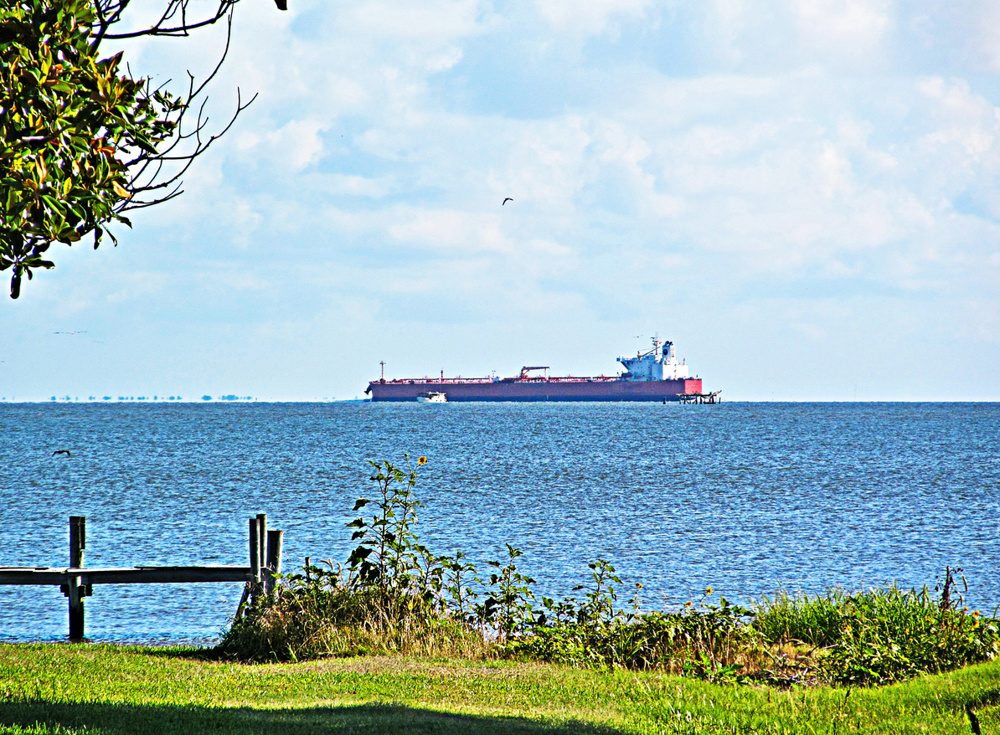
Houston’s port story begins along Buffalo Bayou, the winding waterway that made the city possible. Long before formal dredging projects or ocean-going vessels arrived, Indigenous peoples—including the Akokisa and Karankawa—used the bayou system for transportation and trade.
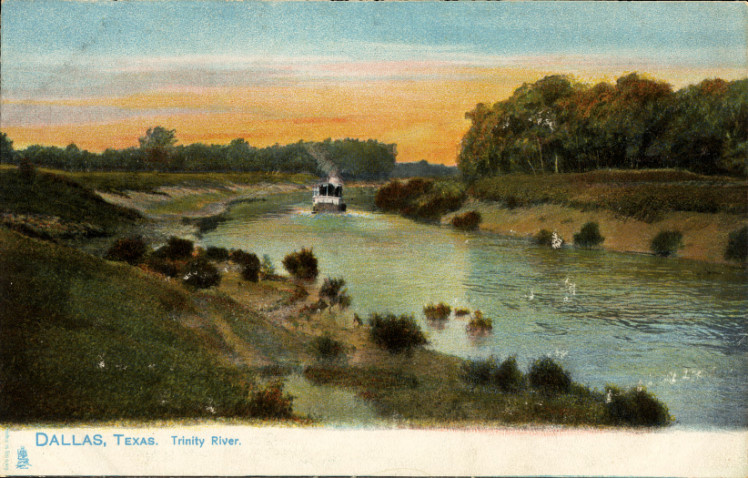
When Augustus and John Allen founded Houston in 1836, they promoted its location at the head of navigation on Buffalo Bayou as a commercial advantage. Shallow-draft steamboats moved cotton, timber, and agricultural goods downstream toward Galveston, where cargo transferred to deeper-water ships.
What began as a modest inland port would, over time, become one of the most important maritime corridors in the United States.
From Buffalo Bayou to Deep Water: Houston Port Origins
Buffalo Bayou has shaped the region’s geography for thousands of years. By the mid-19th century, it had become Houston’s commercial lifeline.
In 1840, the Republic of Texas authorized improvements to clear and widen the bayou, and by the 1850s, regular steamboat service connected Houston to Galveston Bay. However, the shallow depth of the bayou limited large-scale ocean shipping.
Throughout the late 19th century, local business leaders pushed for a deeper channel that would allow Houston to compete directly with coastal ports. The vision of a deep-water port required engineering ambition—and federal support.
How Charles Morgan Helped Advance Early Channel Improvements
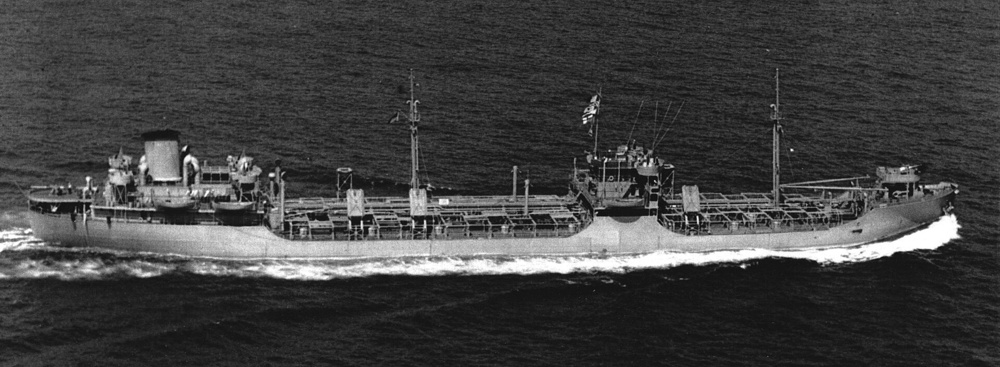
In the 1870s, shipping magnate Charles Morgan invested in improvements to Buffalo Bayou’s navigability. Through the privately operated Houston Ship Channel Company, dredging efforts deepened sections of the waterway to improve vessel access to Clinton, Texas (near present-day Galena Park).
Morgan’s improvements were significant but limited in scale. By the 1890s, federal involvement became essential to transform the bayou into a true deep-water channel. In 1892, the federal government assumed control of the channel project, marking the transition from private initiative to public infrastructure development.
Morgan’s work laid groundwork, but the modern Houston Ship Channel would ultimately require large-scale engineering funded through bonds and congressional appropriations.
The 1900 Galveston Hurricane and the Push Inland
The devastating 1900 Galveston Hurricane, which destroyed much of the coastal city and claimed thousands of lives, reshaped Texas’ maritime strategy. The storm exposed the vulnerability of coastal ports and accelerated support for developing a protected inland deep-water port along Buffalo Bayou.
Houston’s location—nearly 50 miles inland yet connected to the Gulf—offered natural storm buffering compared to open-coast facilities. In the years following the hurricane, business leaders intensified lobbying efforts to deepen the channel, arguing that an inland port would provide greater long-term security and reliability.
The hurricane did not create Houston’s port ambitions—but it strengthened the case for moving maritime power upriver.
The Creation of the Harris County Navigation District
The modern Port of Houston would not exist without the creation of the Harris County Navigation District in 1909. Following voter approval of local bonds, the district was established to partner with the federal government in financing and managing deep-water channel improvements.
The Navigation District became the governing authority responsible for port infrastructure, terminal development, and long-term expansion planning. This public entity—now operating as Port Houston—continues to oversee public terminals along the channel while coordinating with hundreds of private industrial facilities.
The 1909 vote marked a turning point: Houston’s waterway ambitions were no longer speculative—they were backed by organized governance and public investment.
The Houston Ship Channel Opens in 1914
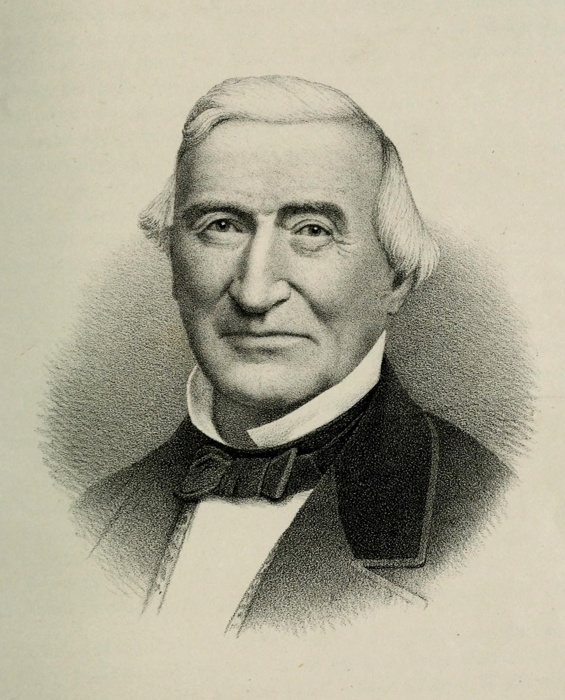
The modern Houston Ship Channel became a reality through a partnership between local taxpayers and the federal government. In 1909, Harris County voters approved bonds to fund part of the dredging effort. Congress authorized matching funds.
Construction began in 1912. By September 1914, a channel approximately 52 miles long, 25 feet deep, and 150 feet wide connected Houston to the Gulf of Mexico via Galveston Bay.
On November 10, 1914, President Woodrow Wilson officially opened the channel remotely from Washington, D.C., signaling Houston’s arrival as a deep-water port.
The new channel allowed ocean-going vessels to bypass Galveston and dock directly near Houston, fundamentally reshaping the region’s economy.
The Turning Basin and Houston’s First Major Port Terminal
With the official opening of the Houston Ship Channel in 1914, the city’s first deep-water docking hub took shape at the Turning Basin, located just east of downtown along Buffalo Bayou. The Turning Basin Terminal became the heart of early port operations, providing wharves, rail connections, and warehouse space that allowed Houston to function as a true inland seaport.
The basin’s circular design enabled ocean-going vessels to safely turn around—an engineering necessity that gave the facility its name. For decades, the Turning Basin served as the primary public terminal before additional container and bulk facilities were developed farther down the channel. Today, it remains a symbol of Houston’s transition from shallow bayou port to international maritime gateway.
Oil, War, and Industrial Expansion Along the Channel
The timing of the channel’s completion coincided with the explosive growth of the oil industry. Although the Spindletop discovery occurred in 1901 near Beaumont, it accelerated demand for refining and export infrastructure across Southeast Texas—including Houston.
During World War I, petrochemical and refinery activity along the channel intensified. By the 1920s, Houston’s port tonnage had surged, and channel deepening projects expanded capacity beyond its original 25-foot depth.
World War II further transformed the corridor. The federal government constructed synthetic rubber plants and defense-related facilities along the channel. Shipbuilding and petrochemical production surged.
By the mid-20th century, the Houston Ship Channel had become the backbone of what is now the largest petrochemical complex in the United States. Today, the waterway supports hundreds of industrial facilities and private terminals, making it a critical energy and chemical export hub.
Containerization and Modern Port Growth
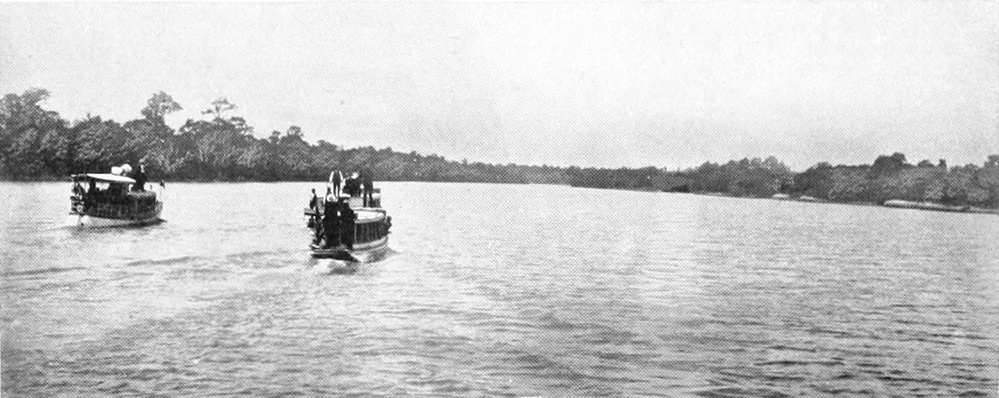
In 1956, the container shipping revolution began with the sailing of the Ideal X, a converted tanker that carried standardized containers between Newark and Houston. This innovation dramatically reduced loading times and costs.
By 1960, Sea-Land Service established Houston as a major Gulf Coast container hub. In 1977, the Port Authority opened Barbours Cut Container Terminal, the region’s first container-dedicated facility. The Bayport Container Terminal, opened in 2007, expanded capacity significantly.
Containerization transformed Houston from a bulk cargo port into one of the nation’s leading container gateways. Today, Port Houston ranks among the busiest U.S. ports by total tonnage and is the largest port in the United States by foreign waterborne tonnage.
Project 11 and the 21st-Century Expansion
To accommodate larger post-Panamax vessels and increasing global trade volumes, Port Houston launched Project 11, a major expansion effort to deepen and widen portions of the Houston Ship Channel.
Approved in the early 2020s, the project increases the channel depth from 45 feet to 46.5 feet along key segments and expands passing lanes to improve safety and efficiency. The initiative also includes environmental mitigation measures such as marsh restoration and shoreline stabilization.
Project 11 reflects the same pattern seen throughout Houston’s port history: strategic investment timed to global shipping shifts. Just as the 1914 channel opening positioned Houston for industrial growth, modern deepening efforts aim to secure the port’s competitiveness for decades to come.
Cotton, Crude, Chemicals, and Containers: What Houston Ships Today
While cotton once dominated Houston’s wharves, modern cargo reflects the region’s industrial identity.
Port Houston oversees public terminals along the Houston Ship Channel, while more than 200 private industrial terminals operate independently along the waterway.
Major cargo categories include:
- Petroleum and petroleum products
- Petrochemicals and plastics
- Containerized consumer goods
- Steel and breakbulk cargo
- Machinery and project cargo
Houston consistently ranks among the top U.S. ports for waterborne tonnage and is a leading gateway for energy exports. Its strategic position on the Gulf Coast also makes it one of the fastest-growing container ports in North America.
Longshore Workers and the Culture of the Working Waterfront
Behind the cranes, tankers, and container stacks is a workforce that has defined Houston’s waterfront culture for more than a century. Longshore workers—many affiliated with the International Longshoremen’s Association (ILA)—have loaded, unloaded, and managed cargo through generations of industrial change.
From break-bulk cargo handling in the early 20th century to modern containerized shipping operations, maritime labor has remained central to port identity. Dockworkers, tug operators, refinery workers, and ship pilots form a skilled labor network that sustains one of the busiest waterways in the country.
This working-waterfront culture is as much a part of Houston’s story as the refineries and terminals themselves.
Restoring Buffalo Bayou: Balancing Industry and Ecology
While the Houston Ship Channel supports heavy industry, efforts to restore and protect Buffalo Bayou reflect a growing emphasis on environmental stewardship.
Projects led by organizations such as the Buffalo Bayou Partnership have revitalized sections west of downtown with expanded green space, habitat restoration, native planting, and stormwater management improvements. These initiatives improve water quality, reduce erosion, and reconnect residents to the waterway’s natural origins.
Further downstream, environmental mitigation efforts tied to channel expansion projects include wetland restoration and marsh creation to offset dredging impacts.
Houston’s port history is inseparable from its ecological future. The same waterway that enabled industrial growth now anchors recreation, conservation, and public space development.
Waterway Culture: Recreation, Industry, and Civic Identity
Beyond commerce, the Ship Channel and Buffalo Bayou shape Houston’s civic identity. Allen’s Landing, where the Allen brothers founded the city, remains a symbolic waterfront site.
Buffalo Bayou Park now connects downtown to recreational trails, kayak launches, and green space—blending historic geography with modern urban design.
Annual events, maritime tours, and educational programs hosted by Port Houston help residents connect with the working waterfront that powers the regional economy.
The story of Houston’s port is not just about dredging and exports. It is about how geography, engineering, energy, and global trade transformed an inland bayou town into one of the world’s most important maritime hubs.